Kulmis Digital Platform

In fragile contexts, the evidence a programme needs lives in five places at once. Kulmis brought it into one analytical environment.

CASE STUDY · SWISS AGENCY FOR DEVELOPMENT AND COOPERATION
CLIENT

Swiss Agency for Development and Cooperation

REGION

Somalia · Kenya · Ethiopia · Somaliland

ENGAGEMENT

2021 to 2025

FIG. 01 · THE KULMIS HOME DASHBOARD

The Challenge

§02THE CHALLENGE

SDC's programmes across Somalia, Kenya, Ethiopia and Somaliland run in fragile and conflict-affected contexts, and the evidence they depend on comes from many sources at once. The hard part is making that evidence accessible and usable for the people deciding what happens next.

  • 01Project monitoring
  • 02Political economy analysis
  • 03Conflict trends
  • 04Geospatial data
  • 05Partner reporting

Kulmis was developed to demonstrate how these sources could be brought together and analysed in a more integrated and visual way.

What We Built

§03THE PLATFORM

A fully functional digital platform integrating project information, contextual analysis, geospatial data and other evidence into a single analytical environment.

01

One Analytical Environment

Project information, contextual analysis, geospatial data and partner evidence, integrated and analysed in one place.

02

Visual and Geospatial

Data visualisation and geospatial analysis that strengthen project oversight and support evidence-informed discussions.

03

Decision Support

A practical environment for evidence-informed remote project management of complex development programmes.

Eight Dashboards

§04THE DASHBOARDS

The platform grew dashboard by dashboard, each answering a question the programme was already asking.

Home

The entry point: a programme-wide view with project markers, comments and notifications.

Geospatial

Map-based analysis with thematic layers spanning displacement, food security, market prices, nutrition and health facilities.

Project Progress

Delivery tracked against logframes across the portfolio.

Project Risk

Risk data, matrix and trends for every project.

Stakeholders

Stakeholder relationships mapped and maintained per project.

IP Capacity

Implementing-partner capacity development, tracked across projects and partners.

Sensitivity

A Context Sensitivity Score for each project's operating environment.

AAP

Field reporting with an approval workflow, notifications and PDF export, open to implementing partners and donors.

FIG. 02 · THE GEOSPATIAL DASHBOARD

Timeline

§052021 TO 2025

Four years from first workshop to a platform in continuous production.

2021

Foundations

Architecture, scaffolding and human-centred discovery, with agile introduced to the programme from the first month.

2022

Pilot to Production

Phase 0 in February, the pilot release in August, and the core dashboards in production by November.

2023

Expansion

New thematic data across the region, a redesigned home dashboard, and data hosting moved to an Africa region to bring performance closer to users.

2024 to 2025

Opening Up

Reporting and approval workflows, onboarding flows, and access extended to implementing partners and donors, with continuous refinement into 2025.

How We Worked

§06AGILE, TOGETHER

SDC selected the team through its established public procurement processes. From there the engagement ran on agile methodology, with the platform continuously refined against user feedback.

Agile was introduced to the programme in its first month. The working rhythm evolved with the platform: by late 2022, weekly sessions aligned to production releases had proven themselves, and they carried the project from then on.

FIG. 03 · A WEEKLY RELEASE SESSION

Outcomes

§07WHAT WAS DELIVERED

The platform shipped, and it proved the approach.

  • 01A fully functional digital platform: piloted in August 2022 and in production by November 2022.
  • 02Demonstrated the technical feasibility and potential value of integrating multiple datasets into a single decision-support environment.
  • 03Showed how digital technologies can support evidence-informed remote project management in fragile contexts.
  • 04Generated learning on the organisational conditions required for digital solutions to achieve sustained adoption.
  • 05Four years of continuous operation and refinement, serving SDC, programme officers, implementing partners and donors.

What the Project Taught

§08BEYOND THE TECHNOLOGY

Kulmis delivered more than a platform. It clarified the organisational conditions a digital solution needs before adoption sustains itself.

  • 01User engagement
  • 02Governance
  • 03Change management
  • 04Alignment with broader institutional digital strategies

Programme Work Across the Horn of Africa

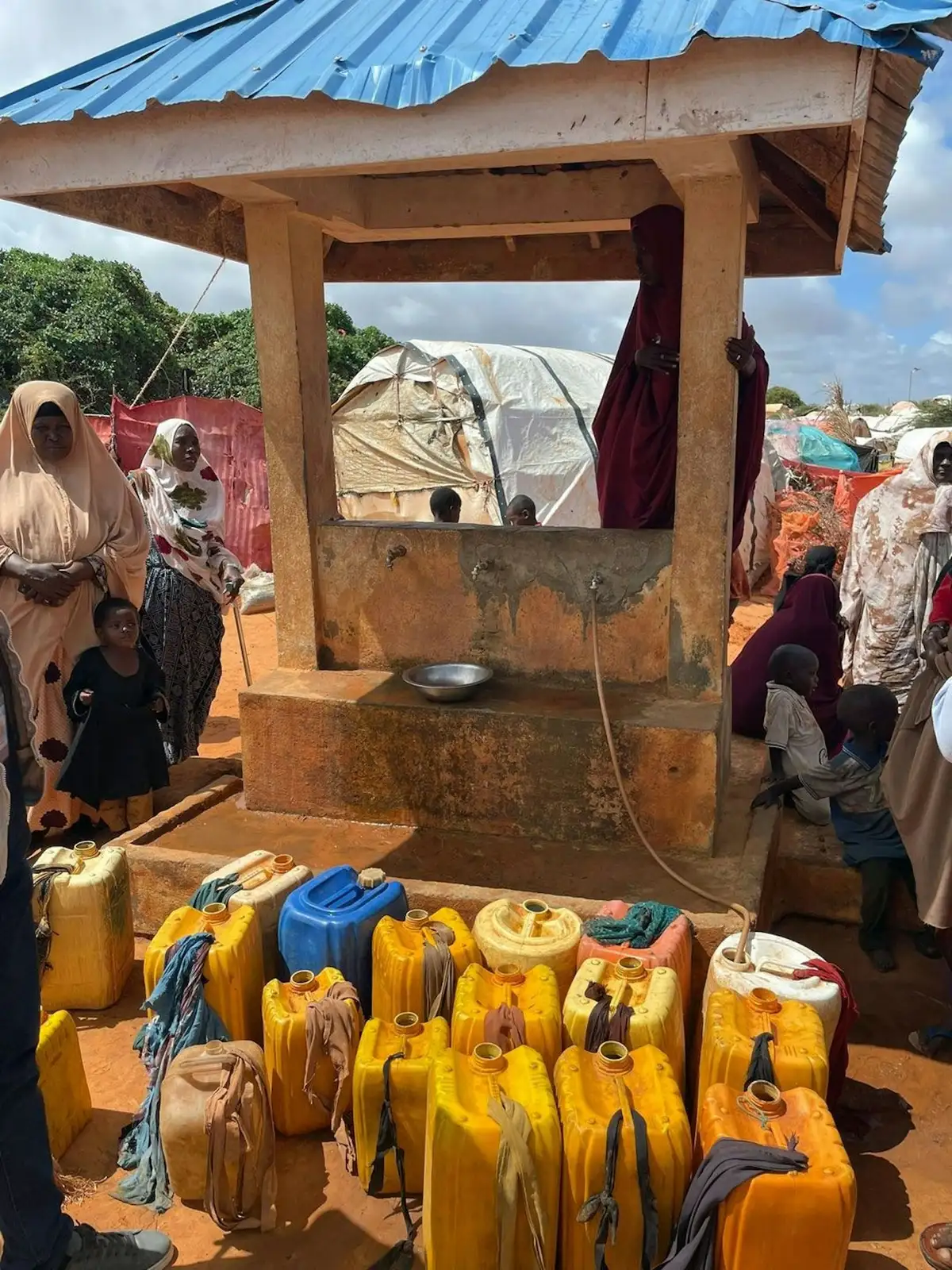
Switzerland's Horn of Africa cooperation programme covers governance, food security, health, migration and protection, centred on Somalia and neighbouring semi-arid areas of Ethiopia and Kenya. In December 2022, SDC described drought compounded by conflict, inflation, earlier climate shocks and the effects of COVID-19. Its response combined humanitarian assistance with longer-term development work. This was the regional setting as Kulmis entered production.

09

Common Questions

What did Adaca build for the Swiss Agency for Development and Cooperation?

Kulmis, a digital platform that integrates project information, contextual analysis, geospatial data and partner reporting into one analytical environment for SDC's programmes across Somalia, Kenya, Ethiopia and Somaliland.

How long did Kulmis take to reach production?

Phase 0 began in February 2022, the pilot was released in August 2022 and the core dashboards were in production by November 2022. The platform then ran in continuous operation and refinement through 2025.

Who uses Kulmis?

SDC programme officers, and from 2024 implementing partners and donors, who were given access through the reporting and approval workflows and onboarding flows added that year.

How was the engagement run?

SDC selected the team through its public procurement process. The engagement ran on agile methodology from its first month, with weekly sessions aligned to production releases from late 2022.

Last updated